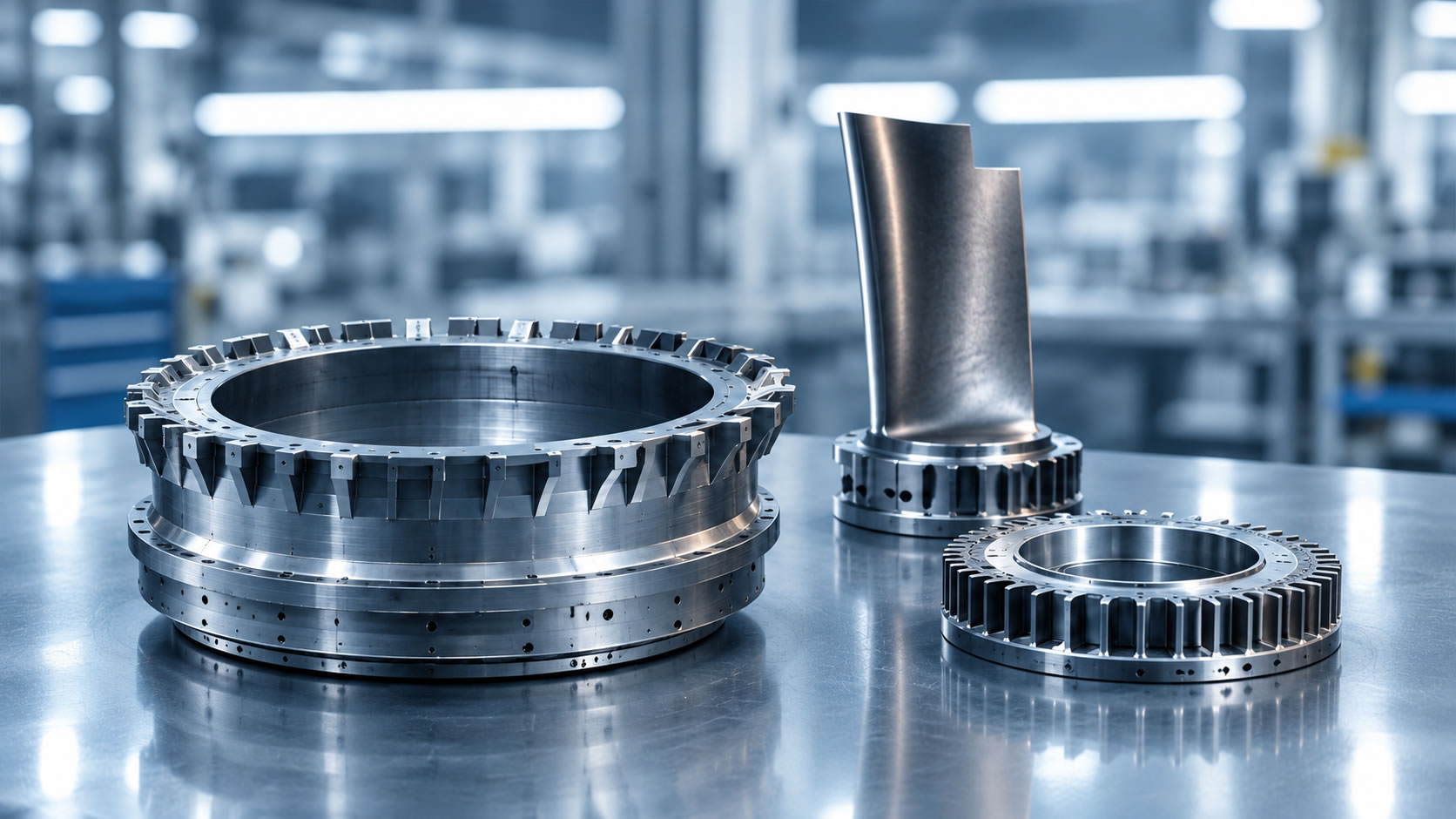
FORMS WE CAN PROVIDE

Niobium Alloy

Nb521 Niobium-Tungsten-Molybdenum-Zirconium Alloy

Nb521 alloy (Nb-5W-2Mo-1Zr) is a niobium-based refractory alloy with a melting point of approximately 2,600°C. Its tensile strength ranges from 420 MPa to 480 MPa in the M state and 650 MPa to 760 MPa in the Y state.

With its high-temperature performance and strength characteristics, Nb521 alloy is primarily used in aerospace engine nozzles and other demanding high-temperature applications.

Nb521 niobium alloy rod for high-temperature applications
Nb521 niobium-based refractory alloy rod for high-temperature applications requiring creep resistance in vacuum or inert-gas environments.
Technical Data

Mechanical Properties of Nb521 Alloy

Nb521 alloy (Nb-5W-2Mo-1Zr) exhibits mechanical properties suitable for high-temperature aerospace applications, including engine nozzles. Its tensile strength varies depending on the material condition and processing history.

Alloy Grade Material Condition Tensile Strength (MPa)
Nb521 (Nb-5W-2Mo-1Zr) M State 420–480
Nb521 (Nb-5W-2Mo-1Zr) Y State 650–760

The values shown are reference data. Actual mechanical properties may vary with product form, material condition, processing history and test method. Confirm the applicable specifications and test data before engineering design or procurement.

Technical Data

Physical Properties of Nb521 Alloy

Nb521 alloy (Nb-5W-2Mo-1Zr) is a niobium-based refractory alloy developed for high-temperature applications, including aerospace engine nozzles. Its key physical properties include density, melting point, thermal expansion coefficient and recrystallization temperature. These properties may vary with composition and material condition.

Grade Composition Density (g/cm3) Melting Point (°C) Linear Expansion Coefficient (10-6/K) Recrystallization Temperature (°C) Annealing Temperature (°C)
Nb521 Nb-5W-2Mo-1Zr — Approx. 2,600 — — —

The melting point shown is an approximate reference value. Other physical property data should be confirmed against the applicable material specification or supplier test report before use in engineering design or procurement.

Material Chemistry

Main Chemical Composition of Nb521 Alloy

Nb521 is a niobium-based refractory alloy nominally composed of niobium, 5% tungsten, 2% molybdenum and 1% zirconium by weight. Its chemical composition contributes to its high-temperature performance and suitability for demanding aerospace applications. Confirm the specified composition limits against the applicable material specification before publication.

Grade Chemical Composition (wt.%)
Nb W Mo Zr
Nb521 (Nb-5W-2Mo-1Zr) Balance 4.7~5.5 1.7~2.5 0.7~1.2

The values shown represent the nominal alloy composition by weight, not guaranteed specification limits. Actual composition and impurity limits should be verified against the applicable material specification or material test certificate.

Applications

Applications of Nb521 Niobium Alloy

Nb521 alloy (Nb-5W-2Mo-1Zr) is a niobium-based refractory alloy designed for demanding high-temperature environments. Its primary application is in aerospace engine nozzles, where high-temperature strength and reliable material performance are important.

Aerospace engine nozzle applications of Nb521 niobium alloy
01

Aerospace & Propulsion

Nb521 is primarily used in aerospace propulsion applications that require refractory alloys capable of operating in high-temperature environments.

  • Aerospace engine nozzles
  • High-temperature nozzle components
  • Rocket propulsion components
  • Specialized thermal protection components
High-temperature engineering components made from Nb521 refractory alloy
02

High-Temperature Engineering

Nb521 may be evaluated for specialized components exposed to elevated temperatures, subject to operating conditions and verified material data.

  • High-temperature structural components
  • Refractory alloy components
  • Custom-engineered hot-section parts
  • Specialized thermal systems
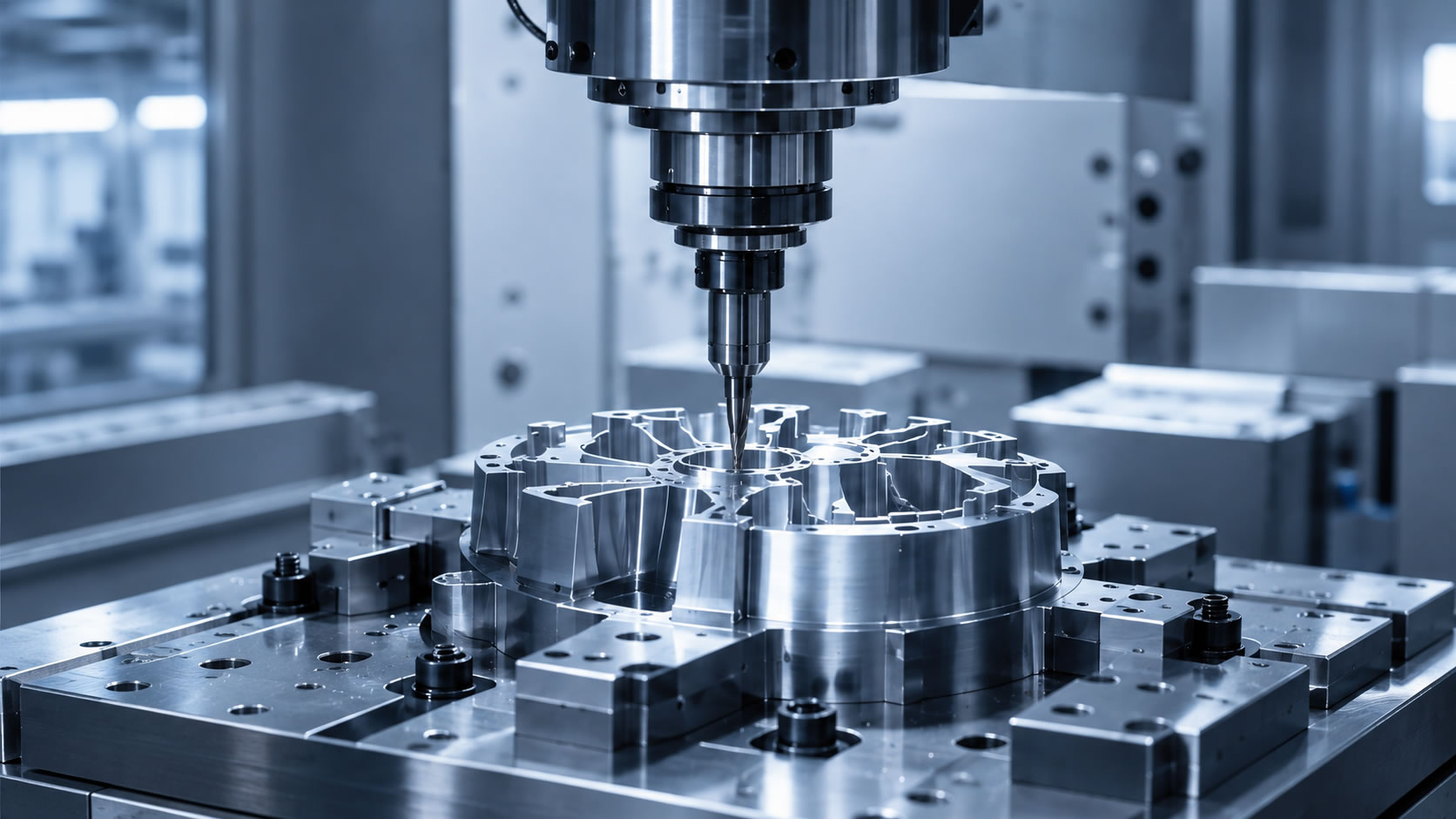
Precision manufacturing of Nb521 niobium alloy components
03

Precision Alloy Components

Nb521 alloy can be considered for custom-manufactured refractory metal components when the required dimensions, fabrication methods and service conditions are compatible with the material.

  • Custom-machined alloy components
  • Precision high-temperature parts
  • Application-specific alloy components
  • Specialized aerospace hardware
Why AlloyHit

Why Choose AlloyHit for Nb521 Refractory Niobium Alloy?

AlloyHit manufactures and exports Nb521 (Nb 5W 2Mo 1Zr 0.1C) niobium based refractory alloy, serving aerospace propulsion system developers, space nuclear power research institutes, vacuum thermal equipment manufacturers and high temperature lab facilities. Unlike Nb Ti superconducting grades such as Nb50Ti50 and Nb53Ti47 designed for cryogenic magnet systems, Nb521 is a solid solution plus carbide precipitation strengthened alloy, engineered for ultra high temperature service in vacuum or inert atmosphere. It delivers outstanding high temperature tensile strength and superior creep resistance, making it ideal for long duration high heat aerospace structural components.

Precision Composition & Strict Interstitial Impurity Control

Nb521 alloy relies on balanced tungsten, molybdenum, zirconium and carbon content to form stable ZrC precipitates for creep strengthening. AlloyHit uses vacuum consumable arc remelting (VAR) for Nb521 ingot production, tightly controlling oxygen, nitrogen, hydrogen and carbon levels. Excess interstitial impurities degrade ductility and high temperature creep performance. Every ingot undergoes full spectrum chemical analysis before hot forging, rolling or spinning. We can adjust composition tolerance to satisfy aerospace material specification requirements for prototype and qualification batches

Comprehensive Product Forms for Aerospace Component Fabrication

AlloyHit supplies Nb521 cast ingot, forged billet, round bar, plate, sheet, spun thin wall blanks and custom machined preforms. The alloy features good hot workability, suitable for forging, rolling and rotary spinning to create thin walled nozzle and thrust chamber components. We can deliver materials in hot forged, stress relieved or recrystallized annealed status. Cut to size plate samples and semi finished blanks per customer CAD drawings are available for aerospace qualification testing.

Controlled Thermomechanical Processing for Creep Performance

The long term creep property of Nb521 is highly sensitive to grain size and carbide precipitate distribution. AlloyHit applies controlled homogenization and vacuum stress relief annealing after hot working to optimize microstructure and relieve residual forming stress. Proper thermal processing prevents excessive grain coarsening and ensures consistent high temperature mechanical performance across large components. Our metallurgy team can provide processing guidelines for customers’ spinning, machining and coating preparation workflows.

Full Batch Traceability for Aerospace Qualification Projects

Each Nb521 production batch retains complete manufacturing traceability records covering melting, forging, heat treatment and dimensional inspection. We supply MTR material test reports, chemical composition certificates, high temperature tensile test data and metallurgical inspection documents. These files support incoming quality audits, component qualification and material archiving required by aerospace and space nuclear research programs.

Global Export & Aerospace Focused Technical Consultation

AlloyHit packages Nb521 products with vacuum sealed anti oxidation inner bags plus seaworthy wooden crates for overseas transit. We accept small R&D trial batches for material qualification and large production orders for propulsion hardware. Our engineering team helps customers compare Nb521 and C103 for rocket nozzle design and evaluate coating requirements. Submit your project specifications on our Nb521 page for formal quotation.

MATERIAL COMPARISON

Nb521 vs Comparable Refractory & Niobium Alloys Analysis

When selecting niobium refractory alloys for high‑temperature aerospace structures, engineers commonly compare Nb521 with C103 alloy, pure niobium and Nb‑Ti superconducting grades. The selection depends on service temperature, load duration, atmosphere, forming requirements and project budget.

01 ALLOY COMPARISON

Nb521 vs C103 Niobium Alloy

Nb521 and C103 are the two most widely used niobium refractory alloys for aerospace high‑temperature components, both requiring anti‑oxidation coatings when exposed to air at high temperature. C103 (Nb‑10Hf‑1Ti) uses hafnium as the main strengthening element. It features excellent room temperature ductility, outstanding weldability and easier forming, well suited for fabricating complex thin‑walled rocket nozzles for short pulse firing missions. Its limitation is relatively poor long‑term creep resistance under sustained high temperature load.

Nb521 uses W, Mo and Zr‑carbide precipitation strengthening. It has dramatically superior creep resistance and higher tensile strength above 1300°C. The tradeoff is higher machining difficulty and slightly lower room temperature ductility than C103. Nb521 does not contain expensive hafnium, which brings cost advantages for large batch production.

Selection guidance

Choose C103 for complex thin‑wall components, easy welding and short‑duration high‑temperature pulse service. Select Nb521 for components under sustained high temperature load where long‑term creep resistance and high hot strength are top priorities.

02 ALLOY COMPARISON

Nb521 vs Pure Niobium Metal

Pure niobium is ductile refractory metal with low strength at elevated temperature. It is easy to machine, weld and form, mainly used for vacuum hardware, cryogenic shielding, chemical corrosion parts. Pure niobium suffers severe strength loss above 1000°C and cannot sustain long‑term mechanical load at extreme high temperature.

Nb521 gains strong high‑temperature mechanical performance via alloying W, Mo and Zr. It can bear heavy loads at 1200~1700°C in vacuum. However, Nb521 has stricter impurity control requirements, higher raw material cost and higher machining hardness compared with pure niobium.

Selection guidance

Choose pure niobium for vacuum chambers, cryogenic shielding and low‑stress corrosion resistant parts. Choose Nb521 for high‑temperature load‑bearing structural components under vacuum or inert atmosphere.

03 ALLOY COMPARISON

Nb521 vs Nb‑Ti Superconducting Alloys (Nb50Ti50 / Nb53Ti47)

Nb50Ti50 and Nb53Ti47 are binary niobium‑titanium superconducting materials optimized for cryogenic magnets at liquid helium 4.2K. Their design target is superconducting performance and cold drawability for multi‑filament wire. They lose superconducting properties at room temperature and have no advantage for high‑temperature structural service above 1000°C.

Nb521 is a high‑temperature structural refractory alloy with no superconducting function. It is engineered to retain strength and creep resistance at extreme high vacuum temperature. It cannot be drawn into fine superconducting wire. Its alloying elements (W, Mo, Zr) are selected for high‑temperature mechanical performance instead of cryogenic superconducting properties.

Selection guidance

Choose Nb50Ti50 or Nb53Ti47 for superconducting magnet wire and cryogenic conductor projects. Select Nb521 for aerospace high‑temperature structural components working at above 1000°C in vacuum.

If you have questions about refractory alloy selection for your aerospace propulsion or vacuum thermal project, please share your working temperature, loading duration, service atmosphere, dimensions and drawing files via AlloyHit Nb521 product page. Our metallurgical engineers will provide customized material recommendation and formal quotation for your qualification prototype or mass production program.

Frequently Asked Questions

Frequently Asked Questions About AlloyHit Nb521 Niobium Alloy

Q1: What is Nb521 alloy and what are its primary industrial applications?

A: Nb521 (Nb-5W-2Mo-1Zr-0.1C) is a Chinese-developed niobium-base refractory alloy strengthened by tungsten, molybdenum, zirconium and carbon precipitates. It is mainly used for liquid rocket thrust chambers, extended nozzles, space nuclear reactor heat exchangers, vacuum furnace thermal shields and high-temperature test fixtures. It is designed for sustained high-temperature service in vacuum or inert-gas environments and is considered when long-term creep resistance is a key design requirement.

Q2: What product forms of Nb521 can AlloyHit supply?

A: AlloyHit offers Nb521 vacuum-melted ingots, hot-forged billets, round bars, plates, sheets and spun thin-wall blanks. We also provide pre-machined semi-finished components according to customer drawings. Available material conditions may include hot-forged, vacuum stress-relieved and recrystallization-annealed states, subject to specification and order requirements. Small cut pieces for laboratory mechanical testing and qualification samples are available upon request.

Q3: What melting technology does AlloyHit adopt for Nb521 ingot manufacturing?

A: AlloyHit uses vacuum consumable arc remelting (VAR) to produce Nb521 ingots. VAR helps limit gaseous impurity pickup and manage macrosegregation during ingot production. Appropriate melting and subsequent processing controls are important for maintaining the distribution of tungsten, molybdenum, zirconium and carbon and achieving consistent microstructure and high-temperature performance.

Q4: What is the core performance advantage of Nb521 over conventional niobium refractory alloys?

A: Nb521 is designed to provide improved creep resistance and high-temperature strength compared with conventional niobium alloys in suitable service conditions. These characteristics can make it a candidate for components exposed to extreme temperatures and sustained mechanical loads, rather than applications involving only short-duration thermal pulses. Actual performance depends on material condition, processing history, temperature, atmosphere and applied stress. Quantitative comparisons with C103 should be based on test data obtained under comparable conditions.

Q5: What operating limitations should designers consider when using Nb521?

A: Like other niobium-based refractory alloys, Nb521 has limited oxidation resistance at elevated temperatures in air and may require a suitable protective coating for oxidizing service. Coating selection should be based on operating temperature, atmosphere, thermal cycling and component design. The tungsten and molybdenum additions can also affect hardness and machinability, so machining parameters should be selected for the specified material condition. Nb521 is a high-temperature refractory alloy, not a superconducting alloy for cryogenic magnet coils.

Q6: What coating and machining recommendations does AlloyHit provide for Nb521?

A: For high-temperature exposure to air, suitable protective coating systems may be needed to reduce oxidation. Silicon-based coatings, including molybdenum disilicide-based systems, may be considered where compatible with the service environment and component requirements. Machining should use suitable sharp cutting tools and controlled cutting parameters to limit heat buildup and surface damage. Stress-relief vacuum annealing after heavy machining or spinning may be considered when appropriate for the material condition and component specification. Contact AlloyHit to discuss coating compatibility, machining requirements and applicable processing guidance.

Q7: What lead times should customers expect for Nb521 orders?

A: Lead time depends on product form, dimensions, quantity, material availability and processing requirements. Standard-size Nb521 plate and bar blanks may have shorter lead times than custom-forged billets, spun thin-wall nozzle preforms or newly melted ingots. Custom orders requiring vacuum arc remelting, multi-stage hot forming and heat treatment need additional production time. Please contact AlloyHit with your specifications for a confirmed delivery schedule.

Q8: What information should I submit to AlloyHit for an accurate Nb521 quotation?

A: Please provide the required product form (ingot, billet, bar, plate or spun blank), dimensions, thickness, diameter, length and tolerances, material condition or heat-treatment requirements, order quantity, applicable impurity limits or mechanical-property acceptance criteria, intended application (such as rocket nozzles, space nuclear systems or vacuum furnaces), and any required material test reports (MTRs) or other quality documentation. Drawings and technical specifications are helpful for custom components.

Nb521 Niobium Alloy · Custom Supply

Request a Quote for Nb521 Alloy

Tell us your required product form, dimensions, quantity and technical specifications. Our team can help review your Nb521 niobium alloy requirements for high-temperature applications and custom components.

Contact AlloyHit →